

At some point, many Sarasota homeowners reach the same crossroads. The house has good bones, or maybe it does not. The location is perfect, but the layout, the systems, or the size no longer fit the way you live. Should you renovate what you have or tear down and build new? There is no single right answer. The best choice depends on the condition of the structure, the value of the lot, flood zone rules, your budget, and how long you are willing to wait. At PrimeEdge Construction, we do both. Owner Peter Basta brings more than 25 years of hands-on construction experience to renovations and custom builds alike, so we can look at your home without a bias toward one path. This guide walks through the factors that matter most when deciding between renovating and building new in Sarasota.
Start With One Question: What Is Worth Keeping?
The renovate vs. build new home decision usually comes down to how much of the existing house can be reused in a meaningful way. If most of the structure is sound and simply needs updating, renovation tends to make sense. If the most important parts need to be replaced anyway, building new often becomes the more practical choice.
The only reliable way to answer that question is to look closely at the home itself. That means walking every room, checking the attic and roof framing, evaluating the slab, and looking at how prior owners have modified the house over time. During a walkthrough, Peter can often give you an on-the-spot verbal estimate for the renovation path and talk through how it compares to starting fresh.
The Structure and Foundation
A solid slab, sound block walls, and a roof structure in good condition are major assets. Significant foundation settlement, widespread structural damage, or framing that would need to be replaced throughout can shift the math toward new construction.
The Layout
Some layouts adapt beautifully with a few walls opened up. Others fight you at every turn, with low ceilings, awkward room sequences, or structural walls exactly where you want open space. If the layout you want requires rebuilding most of the interior, you are close to building new anyway.
The Systems
Plumbing, electrical, and mechanical systems can all be replaced during a renovation. When every system needs replacement along with the structure and layout, though, the value of keeping the shell shrinks.
The Character
Not everything worth keeping is structural. Original details, mature landscaping, and the feel of an established home have real value. If you love the house itself, that belongs in the decision too. Our guide to renovating an older Sarasota home covers what to investigate before committing to a renovation.
How Lot Value and Location Shape the Decision Around Sarasota
In much of the Sarasota area, especially near the water, the land is often worth more than the house sitting on it. That changes the way many homeowners think about their options. When the lot carries most of the value, investing in a new home designed for that specific site can make more sense than spending heavily to update a structure that will never fully take advantage of it.
This is common on the barrier islands, where waterfront lots are limited and demand stays strong. Homeowners on Siesta Key and Longboat Key often weigh whether an older home on a prime lot should be renovated or replaced with something designed around the views, the breezes, and current building standards.
At the same time, location can work in favor of renovation. Many older homes were built under rules that have since changed, including setbacks, height limits, and lot coverage. An existing home may sit closer to the water or property lines than a new home would be allowed to. In some cases, renovating within the existing footprint preserves advantages that would be lost with a teardown. The details depend on local zoning and how extensive the work becomes, so it is worth understanding before you decide.
Neighborhood context matters as well. A new home that dramatically outscales its surroundings may not return its full value, while a well-executed renovation can fit comfortably into an established street. Looking at the lot, the zoning, and the surrounding homes together gives a much clearer picture than looking at the house alone.
Flood Zones, Elevation, and the 50 Percent Rule
For many Sarasota homeowners, flood rules are the factor that decides the question. Several points are especially important:
- Many older homes sit below current flood elevations. Homes built decades ago in FEMA flood zones were often constructed lower than current rules require for new homes.
- The substantial improvement threshold. Local floodplain rules generally require a home to be brought into full compliance, which may include elevating it, when improvement costs reach 50 percent of the structure’s market value. Some jurisdictions count improvements over several years.
- Crossing the threshold changes the math. If a planned renovation would trigger full compliance, the cost of elevating or rebuilding the existing structure may approach or exceed the cost of building new.
- New construction starts at the right elevation. A new home is designed from the beginning to meet current flood and wind requirements, which can affect insurance costs and long-term resilience.
- Staying under the threshold is sometimes possible. A carefully scoped renovation can sometimes achieve your most important goals while remaining below the trigger.
Because the numbers depend on your home’s value and flood zone, this is one of the first things we look at. We also manage all permitting internally, so you never have to pull a permit yourself.
Comparing Cost, Timeline, and Disruption
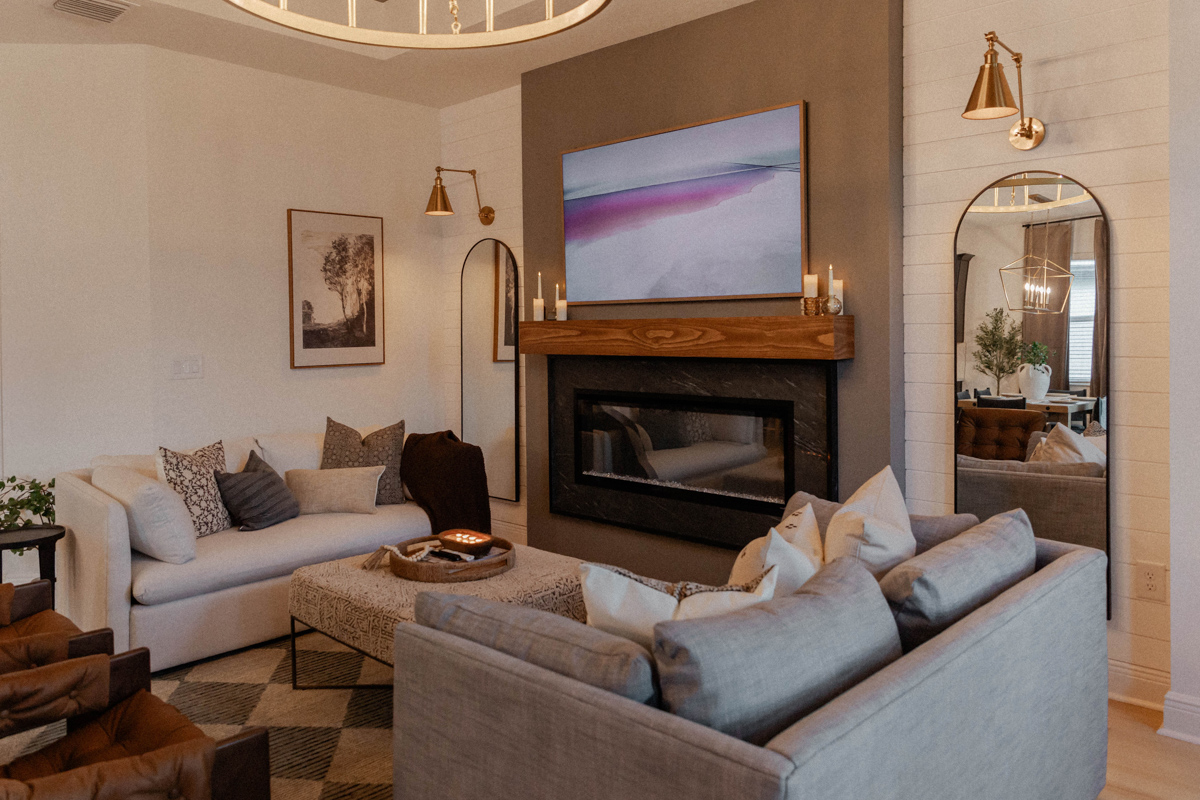
Many homeowners assume renovation is always the less expensive option. Often it is, but not always. Renovation vs. new construction cost depends heavily on scope. A focused renovation that reuses most of the house is typically far less expensive than building new. A deep renovation that replaces systems, reworks structure, and opens walls throughout can approach the cost of new construction on a per-square-foot basis, with more unknowns along the way.
Those unknowns are the key difference. When you build new, there are fewer surprises hidden inside existing walls. When you renovate, especially in an older home, some conditions only become visible once demolition begins. A careful early investigation and a realistic contingency reduce that uncertainty, but they cannot eliminate it completely.
Whichever direction you choose, ask for an itemized proposal rather than a single lump sum. Seeing each part of the work spelled out makes it far easier to compare a renovation against new construction on equal terms, and it shows you exactly where allowances and selections affect the final price. On our projects, every change is documented in writing before work moves forward, so the number you plan around stays clear.
Timeline is another major factor. A new custom home involves design, engineering, permitting, demolition, and construction, and the full process usually takes considerably longer than a renovation. Renovations can move faster, particularly when the scope is focused, though larger whole-home projects take significant time as well.
Then there is disruption. With new construction, you will need to live elsewhere for the entire build. With a renovation, you may be able to stay in the home for part or all of the work, depending on the scope. For many families, that difference weighs heavily in the decision. Our renovation process page explains how we plan and communicate through each stage, including our weekly Friday Update, so you always know where the project stands.
Middle Ground Options: Additions and Whole-Home Renovation
The choice is not always all or nothing. Several options sit between a small update and a full teardown, and one of them may fit your goals better than either extreme.
Adding Space Without Starting Over
If the home works well but is simply too small, a home addition can add a primary suite, a family room, or a second story while keeping the original structure. Additions work best when the existing foundation and framing are sound and the lot has room to grow within setback and flood requirements.
Renovating Everything at Once
If the structure is solid but nearly every room needs attention, a whole-home renovation addresses the kitchen, bathrooms, living spaces, and systems as one coordinated project. Doing it all together is usually more efficient than tackling rooms one at a time over several years. You deal with one construction period, one permit process, and one coordinated team instead of repeated disruptions to your home.
Building New When the Site Calls for It
When the structure, flood requirements, or your long-term vision point toward a fresh start, custom home building lets you design a home around the lot, current codes, and the way you want to live. New construction also gives you the chance to plan for how you expect to use the home in ten or twenty years, not just today.
Questions to Help You Decide Between Renovating and Building New
Before choosing a direction, work through these questions with your builder:
- Is the foundation and main structure sound enough to reuse?
- Can the layout you want be achieved without rebuilding most of the interior?
- Is the home in a flood zone, and would your plans trigger the 50 percent rule?
- How much of your property’s value is in the land versus the house?
- Does the existing home have setback or footprint advantages a new home would lose?
- How long are you willing to wait, and can you live elsewhere during construction?
- Would an addition or whole-home renovation meet your goals at a lower cost?
Answering these honestly usually makes the right path much clearer. An experienced builder who works on both renovations and new homes can help you compare them side by side.
Begin a Conversation About Your Sarasota Home
Deciding whether to renovate or build new is one of the biggest choices a homeowner can make, and it deserves clear, honest guidance. At PrimeEdge Construction, you work directly with owner Peter Basta, who can walk your property, evaluate the structure, and talk through both paths in real time. We are family-owned, fully licensed (CRC1334994) and insured, and A+ rated by the Better Business Bureau. We serve homeowners throughout Sarasota and Manatee counties. Bring your designer, or lean on our guidance. Either way, the vision is yours and the execution is ours. Begin a Conversation with our team today.
Ready to start a new project?
Planning a kitchen, bath, addition, or whole-home renovation? Tell us what you have in mind, and let’s bring your vision to life with craftsmanship built to last.
Like this article? Spread the word!
Related Posts

7 Things Seasonal Residents Should Plan Before Renovating a Sarasota Home
Renovating your Sarasota home while you are away? See 7 things seasonal residents should…
PrimeEdge Construction’s Guide to Renovating an Older Sarasota Home
Planning to renovate an older Sarasota home? Learn the hidden issues, flood rules, and…
How Much Does a Bathroom Renovation Cost in Sarasota?
How much does a bathroom renovation cost in Sarasota? See typical price ranges, Gulf…